
My Doctor Thinks I’m Fat. Prove Them Wrong. Body Composition Testing in Portland, Maine.
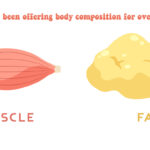
Why Body Composition Testing With Dr. Lou Beats BMI for Assessing Health For decades, Body Mass Index (BMI) has been the flawed go-to metric for assessing whether someone is at a healthy weight. However, BMI has significant limitations, and body composition testing offers a much more accurate and insightful way to evaluate overall health and fitness. A recent piece produced by NPR brought eyes toward testing that is far more accurate than the generic BMI calculation and as you’ll see in the video below, Dr.Lou was way ahead of the times. Here’s why body composition analysis is superior to BMI: 1. BMI doesn’t distinguish between fat and muscle The fundamental flaw with BMI is that it only considers height and weight, without differentiating between fat mass and lean mass. This means a muscular athlete could have the same BMI as someone who is overweight, despite having very different body compositions and health profiles. Body composition testing, on the other hand, directly measures fat mass, muscle mass, and other components to give a true picture of your body makeup. Dr. Lou’s “RJL SYSTEMS” lab grade body composition test can help you with baseline readings and subsequent readings to determine whether...
read moreDouble Bass Posture & Prevention – Dr. Lou – Maine’s “Rock Doc” lays it down.

Double Bass Players – Be Aware. As a chiropractor, posture, biomechanics, and structural integrity of the human frame and how they interact with the nervous system is my primary focus with musicians and common folk alike. The musicians that I have worked with over the past 22+ years need their bodies and brains to work together for speed, accuracy, consistency, and a perfection that can only come with years of training. Years of training translates to years of wear and tear, which can lead to pretty awful situations at times. Double bass players have a handful of risk factors that other musicians don’t. Their instruments put interesting demands on their bodies, which can lead to not so “interesting” injuries. Below you will find things to be aware of if you are an double bass player. Standing Posture 1. Balanced Stance: Maintain a balanced stance with feet shoulder-width apart and weight evenly distributed on both feet. Avoid leaning excessively to one side or putting all your weight on one leg[1][5]. Wear supportive shoes with inserts to create a foundation that properly supports and align the joints of your body. 2. Bass Angle: Position the bass at an angle, not completely...
read moreUpright Bass Injuries. Double Bass Injuries. Dr. Lou – Portland, Maine “Rock Doc” discusses.
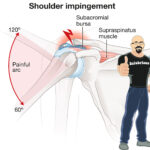
Over the decades of specializing in the health and injuries of musicians, I have encountered a number of upright bass players with a variety of issues. Bass players are necessary. We can’t have them dropping like flies for injuries that are easily treatable without the use of drugs and surgery. Like most other instrumentalists, upright bass players are prone to several common injuries, primarily due to the physical demands and repetitive nature of playing the instrument. Here are the most frequently reported injuries, most of which are classified as Playing Related Musculoskeletal Disorders or PRMD’s: 1. Shoulder Impingement Shoulder impingement is a prevalent injury among upright bass players, particularly affecting the shoulder of the upper hand. This condition is caused by repetitive stress and the compromised position of the shoulder while navigating the neck of the bass. Symptoms include severe pain, difficulty lifting the arm, and restricted movement[1]. The pain is often on the outside or front of the shoulder, and lifting your arm out and above your head will often trigger it. 2. Repetitive Strain Injury (RSI) RSI is common in both the picking and fretting hands of upright bass players. It results from repetitive movements that cause...
read moreTMJ And Neck Pain In Vocalists. Can Your Voice Change?

Both temporomandibular joint (TMJ) disorders and tight neck muscles can significantly affect one’s singing voice. Impact of the TMJ on Singing 1. Jaw Movement and Mouth Opening: TMJ disorders can restrict the ability to open the mouth fully, which is crucial for proper vocalization. Limited jaw movement can make it difficult to form clear vowels and achieve the desired vocal tone[1][5][13]. Chiropractors are trained to adjust the TMJ with various techniques thereby reducing restriction and limited jaw movement. 2. Muscle Tension and Pain: TMJ can cause muscle tension around the jaw, neck, and shoulders, leading to pain and discomfort. This tension can interfere with the control and flexibility needed for singing[1][5][13]. Muscle tension and pain are issues that are commonly corrected in chiropractic offices worldwide. 3. Voice Control and Resonance: TMJ disorders can affect the positioning and movement of the larynx, which is essential for voice control and resonance. A tense jaw can prevent the larynx from moving freely, impacting vocal quality and range[5][15]. 4. Associated Symptoms: Symptoms like tinnitus, headaches, and neck pain, which are often associated with TMJ, can further complicate singing by causing distractions and discomfort[1][5][13]. At our office in Portland, Maine, we see patients...
read moreWhat is the leading cause of disability in the U.S.?

The leading cause of disability in the U.S. isn’t even fatal. ….but it will often feel like it’s ruined your life. The leading causes of disability in the United States are diverse and include both physical and mental health conditions. Here are the primary conditions identified as leading causes of disability: Arthritis and Musculoskeletal Disorders: These are the most common causes of long-term disability, making up a significant portion of all disability cases. Conditions like bad backs, bone issues, and hip problems are prevalent[1]. Chiropractors like Dr. Lou exclusively work worth the leading causes of disability. Not mentioned here are neurological disorders like sciatica, MS, ALS and others that are also cared for by doctors like Dr. Lou. What’s equally important to remember, is that many of these musculoskeletal disorders are preventable, managed bye, even fixed by non surgical means like chiropractic. What’s the value of being able to play with your grandkids when you are in your 60’s? Walk yourself to the bathroom when you are 75? Play golf, or jam on your instrument with friends? An ounce of prevention is worth a pound of cure, and a pound of cure is worth a fortune if you...
read more