
Y-Strap Chiropractor – Portland, Maine
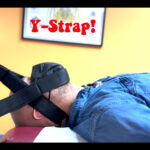
What is the Y-Strap? The chiropractic Y-strap is a device used by some chiropractors during spinal adjustments to relieve tension in the neck and upper back. It consists of a padded strap that is placed around the patient’s head, with a handle at the end for the chiropractor to pull on. During treatment, the chiropractor will typically ask the patient to lie on their back while they hold the Y-strap handle and gently pull upwards. This action is thought to help decompress the spinal joints and stretch the neck muscles, which may provide relief from pain or discomfort. It is important to note that the use of the Y-strap is controversial within the chiropractic community, with some practitioners advocating for its use and others cautioning against it. Patients should consult with their chiropractic provider to determine if the Y-strap is an appropriate treatment option for their specific condition. Why is the Y-Strap Controversial? The y-strap is controversial because of how it “appears”. YouTube popularity of y-strap videos is very high, and these videos are extremely lucrative for those who post them. Many times, the videos do not show the back story, the evaluation, or the explanation for care, which...
read moreDysautonomia. Maybe it’s causing your internal “chaos”

Have you heard the term “Dysautonomia”? If you are feeling completely out of sorts, maybe you have IBS, heart palpitations, and fatigue? Maybe it’s high blood pressure, brain fog, and hot flashes? Read below and see if these facts about dysautonomia sound or feel familiar. Here is a list of 11 interesting facts about dysautonomia: Dysautonomia (autonomic dysregulation) is a medical condition that affects the autonomic nervous system, which controls many of the body’s automatic functions, such as heart rate, blood pressure, digestion, and temperature regulation. Because chiropractors have a direct impact on the autonomic nervous system with their adjustments of the spine, they believe that information on dysautonomia will be helpful to you. Dysautonomia is a broad term that encompasses several different types of autonomic dysfunction, including postural orthostatic tachycardia syndrome (POTS), neurocardiogenic syncope, and pure autonomic failure. Dysautonomia can affect people of all ages, but it is most commonly diagnosed in young women. Symptoms of dysautonomia can vary widely depending on the type and severity of the condition, but they may include lightheadedness, fainting, rapid heart rate, low blood pressure, gastrointestinal problems, and difficulty regulating body temperature. Dysautonomia is often misdiagnosed or underdiagnosed, as its symptoms can...
read more4 reasons why a doctor who listens is critical to your health!

Dr. Lou has two ears and only one mouth, for a reason. Having a doctor who listens and takes the time to understand your concerns and questions is crucial for your health and wellbeing. Here are some reasons why: Accurate diagnosis: A doctor who listens to your symptoms and takes the time to understand your medical history is more likely to make an accurate diagnosis. Rushing through appointments can lead to missed or misdiagnosed conditions. Effective treatment: By taking the time to listen to your concerns, a doctor can develop a treatment plan that is tailored to your needs. This can improve the effectiveness of treatment and reduce the risk of side effects. Better communication: When a doctor takes the time to listen, it fosters better communication between you and your healthcare provider. This can lead to increased trust, better compliance with treatment plans, and improved health outcomes. Patient satisfaction: Patients who feel that their doctor is listening to them and taking their concerns seriously are more satisfied with their healthcare experience. This can lead to increased patient retention and positive word-of-mouth referrals. To boil it all down, having a doctor who listens and does not rush, is essential for accurate...
read moreSailing And Back Pain in Maine. Dr. Lou on Casco Bay!

Sailing and back pain in Maine. Sailing off the coast of Maine is a fantastic activity that can be enjoyed by people of all ages and abilities. It offers a unique experience that can be both exhilarating and relaxing, and allows you to connect with the water in a way that few other activities can. However, like any sport or physical activity, sailing can also come with its own set of risks and challenges. One such challenge is back pain. Back pain is a common problem that affects millions of people around the world. Over 80% of Americans experience severe back pain at least once in their lifetime, often more. It can be caused by a variety of factors, including poor posture, muscle strain, and even stress. While it can be a minor inconvenience for some, for others, it can be debilitating and significantly impact their quality of life. For sailors, back pain can be a particular concern, as the nature of the activity can put significant strain on the back muscles and spine. Chiropractors are spine and nerve experts that use gentle adjustments to optimize function and performance in the spine, nervous system and everything that the nerves...
read morePlantar Fasciitis Solutions In Portland, Maine.

Plantar Fasciitis Plantar fasciitis is a common foot condition that affects millions of people worldwide. It is caused by inflammation of the plantar fascia, a thick band of tissue that runs along the bottom of the foot and connects the heel bone to the toes. This inflammation can cause pain and discomfort in the heel and arch of the foot, making it difficult to walk or engage in physical activity. Tiger woods left his most recent tournament because of plantar fasciitis pain. Symptoms of plantar fasciitis typically include: Pain in the heel or arch of the foot, especially when taking the first steps in the morning or after sitting for a long time Stiffness and tenderness in the foot Swelling in the foot Plantar fasciitis is commonly caused by overuse or repetitive stress on the plantar fascia. Activities that put a lot of pressure on the feet, such as running, jumping, or standing for long periods of time, can increase the risk of developing plantar fasciitis. Other risk factors include flat feet, high arches, obesity, and wearing shoes with poor arch support. Treatment for plantar fasciitis typically involves a combination of self-care measures and medical interventions. Some self-care measures...
read more