
Driving for UBER or LYFT with back and shoulder pain, headaches.

Uber Driver With Back Pain & Headaches 5 Prevention Strategies And Solutions Dear Dr. Lou, I drive for Uber and Lyft full time, it’s a great job, but my back is killing me and I have recently started having headaches. Do you have any suggestions? Thanks, Andrew T. Dr. Lou’s Solution Andrew’s problem of back pain and headaches while driving for a living is more common than most people think. Historically truck drivers and cab drivers have had a lot of back and nerve pain, sometimes so severe that it forces a career change. From the standpoint of prevention and self-care, there is a lot that can be done in a short period of time, without causing much disruption to your busy driving schedule. Take regular breaks – Short ones. Get out of the car, walk and jump around, get back in the car, get back to work. Sitting still for too long is bad. If your car is empty and stopped, get out for 1-2 minutes and move. This is great for prevention and relief. Heat your seat. If you have heated seats, use them! Heat relaxes muscle and your mind and is a good preventive and relief...
read moreAre Your Symptoms “All In Your Head?” Anxiety And Panic

Anxiety and Panic are as American as apple pie. You’ve probably been told at some point in your life that your symptoms are all in your head. That anxiety and panic are leading you to feel the way that you are feeling. As it turns out, the people who told you that may be right. A google search for anxiety and panic U.S.A. turned up this result regarding adults: Anxiety disorders are the most common mental health concern in the United States. Over 40 million adults in the U.S. (19.1%) have an anxiety disorder. There are tens of thousands of lists online describing what you might feel as a “symptom” of anxiety and panic. Nausea Twitching, cramping, and achy limbs Numbness Insomnia Shaking and trembling Feeling of hot or cold, sweating Difficulty focusing Digestive issues Fear of dying, losing control or “going crazy.” Irrational fears. Fatigue Muscle spasms or pain Depression High blood pressure These are pretty common symptoms that could also be related to other issues. But what if they are all due to anxiety and panic? What if your stress level has been deceptively high, sustained and for a great deal of time? The result could overwhelm...
read moreAfter a fall on the ice or snow?

After a bad fall, do this. The fall may not feel as bad as what it does to your quality of life. Did you hit your head or break a bone? If you think you need the hospital because you’ve hit your head or broken something, seek emergency attention. Concussions, contusions, cracks, fractures and other injuries can be serious. A bad fall on the ice can be just as damaging as a car accident, in some cases more so. Did you pull a muscle? You start to slide and you catch yourself. You don’t hit the ground, but you do strain your back, groin, neck or shoulder. Go inside and put ice on the strain to reduce inflammation. Then switch to heat – as long as it feels comfortable. Light stretching may be helpful too. If the pull is not severe, applying deep pressure to the muscle may help release tension and stimulate healing. Did you land on your tailbone? Get ice on it immediately. Pay close attention to your ability to sit and lie down comfortably. You may need to sit on a special surface or a “Donut Pillow” to help take the pressure off the tailbone. Injuries to the coccyx...
read moreWhat is a Spinal Disc? Dr. Lou Jacobs – Chiropractor Portland Maine
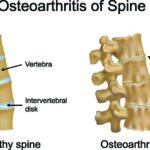
Discs Are Shock Absorbers. There are 23 discs in the spine. The discs have a rugged outer shell of sorts, the interior is soft and flexible. The discs are similar to the gum we had as kids with the thick liquid center. Discs need hydration. At birth, the disc is 80% water. Over a lifetime, hydration is critical for the health of the discs. When discs are under stress and poorly hydrated, they accumulate damage faster. They degenerate, herniate and debilitate (you). Discs are somewhat rubbery but firm. When discs compress and lose their height under stress, nerves, joints, and bones become compressed. Blood vessels, lymphatic tissue, ligaments, and tendons become compressed too. You actually lose height over the course of the day, because of compression of the discs. When you sleep at night, your spine DEcompresses. With more spinal stress, there is more compression. More compression leads to more damage. Age is only a partial factor, a young ski jumper may have more spinal damage than a much older swimmer. What is the difference between a disc bulge and a disc herniation? A disc bulge is a small protrusion of the disc that may begin to take...
read moreWhat is the spine? Dr. Lou Jacobs – Chiropractor Portland, Maine
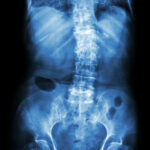
Why do you have a spine? The spine serves several functions. Protection. The spine protects the spinal cord. The spinal cord, which is the primary communication pathway from the brain to the rest of the body, is protected by the bones of the spine. Like the brain that is protected and encased by solid bone, it is so protected because of it’s importance. Support. The spine supports the upper body. Like a pillar made of many bones and joints, it bears a great load. Movement & Flexibility. Bending, lifting, extending, turning, looking at your child, gazing at the stars, making love, and reading books are all possible, because of flexibility and movement in the spine. There are 24 vertebrae in the spine, a sacrum, and the coccyx. There are over 120 joints of the spine, over 200 ligaments and tendons. There are discs between each of the vertebrae. There are 7 vertebrae in the neck, 12 in the mid-back, and 5 in the low back. All regions of the spine allow for movement in specific ways. The discs of the spine are tough. With longterm stress or acute trauma, discs may be damaged, which may result in bulging or...
read more