
Chiropractors wish you knew these secrets.
The more you know, the more amazing your potential! Every professional, whether they are a cardiologist, a chiropractor, a lawyer or a mechanic, has learned things that they wish others outside of the profession knew. The information is important, often life altering or has the potential to help you avoid significant suffering. I’ve had a lot of time lately to reflect on what chiropractors would want you to know. Here is a list of a few of the most important things that most people don’t know but should. According to the chiropractor. The first and most important thing is that your body is a self healing, self regulating organism. This healing and regulation is the responsibility of the brain. The brain is so important that it’s encased in solid bone to protect it’s ability to perform it’s duties. It is also the master processor of your world, the nervous system (brain, spinal cord and nerves) is the system in your body by which you experience life. Pressure on nerves (“Subluxation”) interrupts communication and hurts your health and adaptability. Chiropractors remove interference caused by spinal subluxation and function improves within your master control system. That’s a good idea whether you hurt...
read moreDo you have muscle rocks? Trigger Point Therapy.
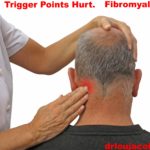
What’s a “Muscle Rock”? A muscle rock is a term coined by Dr. Lou to describe a knot of muscle that feels like a rock. Trigger points, or knots of muscles, like the ones you feel in your upper trapezius muscles (shoulder area between your shoulder and neck), are inflamed, chronically tight muscles. The muscle tissue gets this way from an accumulation of stress. The stressors that most commonly causes trigger points are physical stress, like working at a computer, and mental stress that causes you to feel your neck and shoulders tighten. Trigger points are extremely common but are not normal. Trigger points can lead to bigger problems if trigger point therapy is not performed. Some sources even link fibromyalgia to the formation of trigger points. Trigger points will often lead to different types of pain depending on their location. Trigger points in the gluteal muscles or performs muscles may lead to pain down the leg of the same side, mimicking sciatica. Trigger points in the low back may also lead to a sciatica pain syndrome and may also lead to low back pain or vulnerability to a low back “flare up”. Trigger points in the upper back,...
read moreStress Management

Stress management steps to help reduce the harmful effects of chronic stress. It’s simple. Reducing stress, managing stress better, decreasing anxiety, will all reduce your risk of the chronic diseases and dysfunction that so often results, in part, from stress induced inflammation. Don’t watch the news. The news is filled with negativity and things to worry about. Most of which will never effect your life or the lives of your loved ones. Turn it off. If you want news, read The ONION. Practice Mindfulness and let things go. Not worrying about things you need not worry about, requires that you can identify those things. You may need help with this. Start making a list of the things that cause the most stress and anxiety in your life. Evaluate that list and try to let go of those things on the list that your gut tells you are useless. Focus on the things that you can control. Stress and anxiety caused by worrying about a meteor threat or Kim Jong Un, will do you no good. Ask for help if you need it. Sometimes it’s hard to do things without help. Find a friend, therapist, or other third party who can...
read moreHow Mental Stress Affects Your Body

Mental stress changes the way your body works and feels. We’ve all felt it. Mental stress increases and we tense up. Sometimes the tension is in our shoulders, sometimes it’s in your low back, it can even affect your head, leading to a headache in your forehead or back of head. When I talk to patients about stress, I mention 3 primary types under which all stress falls. Physical stress, mental stress and chemical stress. This post is about mental stress, but as you will see, each type of stress increases the next and the snowball of body break down that results, just keeps growing. To use your shoulders as the example, as your muscles tighten under mental stress, there are chemical changes that occur. Histamines, prostaglandins and other inflammatory chemicals build up in the muscles. Chemical buildup in the muscles, if not dealt with, lead to chronic inflammation, tissue dysfunction and pain. Mental stress causes physical stress (tension) that leads to chemical stress (inflammation) and that leads to pain. Pain leads to more mental stress, and the cycle continues on until the proper intervention is applied. Our lives are riddled with daily stress. For many, the levels of stress...
read moreIn Good Hands: Chiropractic Focus – The Adjustment.

Deep or Broad? Good Hands Matter Most. While listening to a recent podcast by one of the worlds greatest networking experts, he discussed the value of deep skills versus broad skills. In other words, it’s better to do 6 things 1,000 times than 1,000 things 6 times. I was thankful that while I was listening to this, I was reminded that this is how we run our office and service to you. -Erin focuses on insurance and office management. -Donna focuses on coordinating patients and performing tests. -Dr.Lou focuses on identifying and correcting spinal subluxation with chiropractic adjustments. -Anca (Dr. Lou’s daughter) focuses on greeting you when she’s on vacation and spending time at the office. In chiropractic school we were taught that there is an art and a science to being a doctor of chiropractic. The science is the same across the board. It’s indisputable. Like your blood pressure, there are standard solutions when your BP is bad. In chiropractic, it’s not as simple as a universal pill to lower your BP. In chiropractic, the correction of subluxation is made with an adjustment. There are techniques that involve tools like an Activator (clicker) instrument. But with the activator, there is less...
read more